
Essential for maintaining shoulder health and precision through all throwing angles.
More control = more velocity + durability.
Pure lower-body force. Measures how explosive a QB is from static—vital for pocket stability and sudden reactions.
How well a QB uses stored energy—key for quick releases, last-second adjustments, and reactive movement.
Throwing is rotational. This test reveals how efficiently a QB generates and transfers rotational force—directly impacting deep ball velocity and off-platform accuracy.
Measures burst. A fast 10 means escaping pressure, resetting platforms, and extending plays.
Beyond the pocket? This test predicts how dangerous a QB can be in open field when a play breaks down.
Strong backs throw fast balls. Chin-ups reflect pulling power and grip—key for shoulder health, arm recovery, and physical resilience.
Standard: 10 with bodyweight
Height and weight isn’t everything but there are some relative standards we want to hit.
High School level QBs shoot for height in inches x 2.5.
College QBs height in inches x 2.8.
Pro QBs height in inches x 3.0
Data That Defines Arm Talent.
The speed of the ball at release.
The faster the release, the more dangerous the QB.
Speed of the football as it travels to the target.
Think arm strength in raw numbers.
Revolutions per minute on the ball.
More spin = more stability, tighter spirals, and more completions .
How much of the spin contributes to true spiral (vs wobble).
Efficiency = accuracy.
From start of motion to ball leaving the hand.
Elite = fast + repeatable.



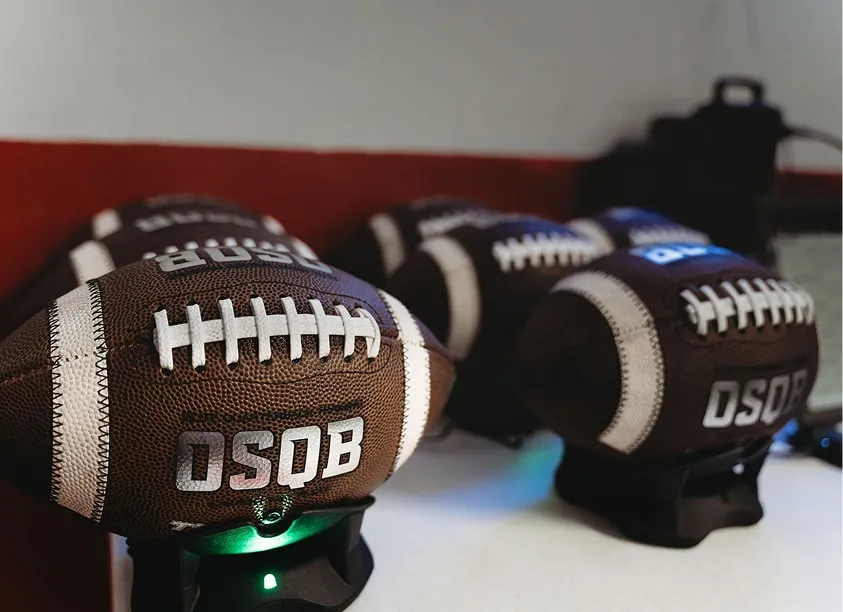
Real-time ball-tracking technology that measures release speed, spin, and velocity—turning every throw into actionable data.
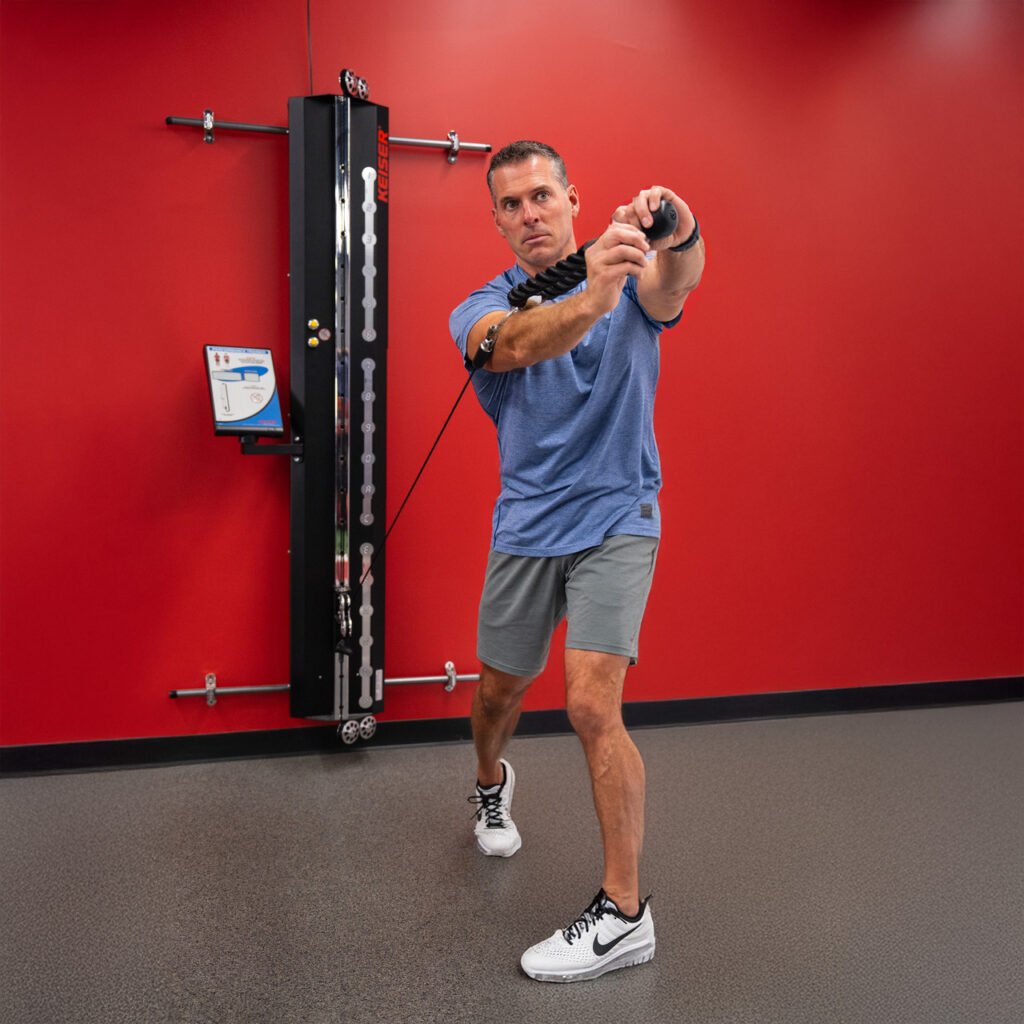
Strength training that measures velocity, power, and range of motion in real time—giving quarterbacks objective data to train more intelligently.
Force plate technology that measures how quarterbacks generate power from the ground—linking lower-body force to throwing velocity and efficiency.